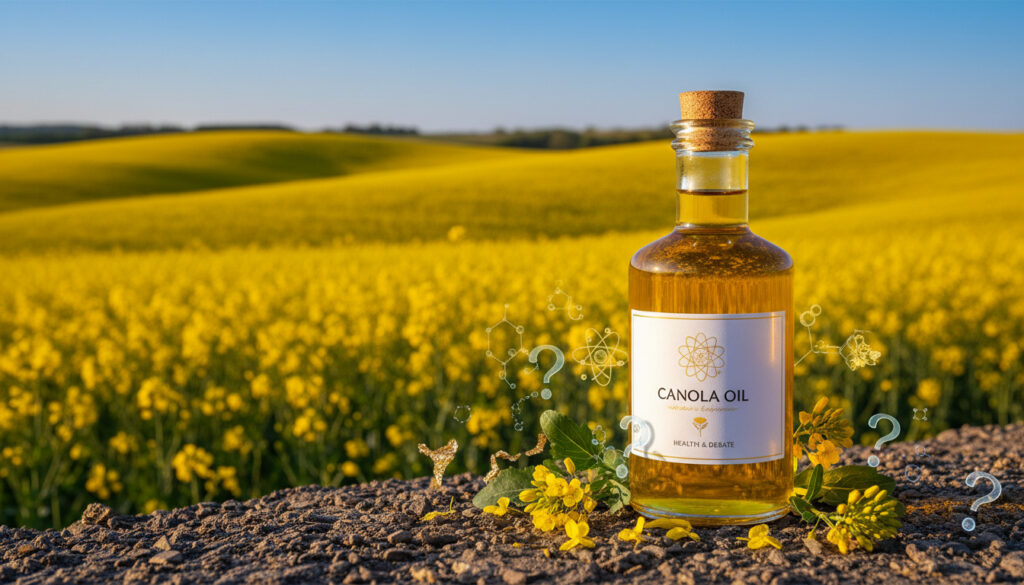
Is Canola Oil Bad for You – What the Evidence Shows
Canola oil remains one of the most debated fats in modern nutrition, with conflicting claims about cardiovascular benefits and inflammatory risks circulating across social media and health forums.
Developed from rapeseed cultivars in Canada during the 1970s, this refined vegetable oil now dominates commercial frying and baking applications worldwide. Its neutral flavor and high smoke temperature have made it a staple ingredient in processed foods and restaurant kitchens.
Scientific evidence from peer-reviewed trials and regulatory bodies presents a complex profile that resists simple categorization as either beneficial or harmful, requiring examination of specific health markers and processing methods.
Is Canola Oil Bad for You?
Clinical evidence suggests canola oil reduces serum cholesterol compared to saturated fat alternatives, though concerns persist regarding industrial processing and fatty acid ratios. A comprehensive 2013 review of 17 studies found that substitution with canola oil lowered total cholesterol by an average of 12.2% and LDL-C by 17% versus Western diets.
Reduces LDL cholesterol by up to 17% and improves insulin sensitivity compared to saturated fat-rich diets.
Highly refined using heat and chemical extraction, with most commercial varieties derived from genetically modified crops.
Contains only 7% saturated fat, 63% monounsaturated fats, and 9-11% omega-3 ALA per serving.
FDA permits qualified health claims suggesting heart disease risk reduction when replacing saturated fats.
- Clinical trials demonstrate average reductions of 12.2% in total cholesterol and 17% in LDL-C when replacing saturated fats.
- The FDA permits a qualified health claim suggesting 1.5 tablespoons daily may reduce heart disease risk when substituted for saturated fat.
- Contains 63% monounsaturated fats and 9-11% omega-3 ALA, higher concentrations than most culinary oils except flaxseed.
- Omega-6 to omega-3 ratio of 2:1 continues to fuel debate regarding potential inflammatory effects.
- Most commercial varieties are genetically modified for herbicide resistance, though specific health impacts remain unestablished.
- Heating during industrial processing and home frying degrades beneficial ALA content significantly.
- Population studies associate replacement of saturated fats with polyunsaturated fats like those in canola with reduced cardiovascular disease incidence.
| Nutrient | Per Tbsp (14g) | Key Comparison |
|---|---|---|
| Calories | 124 | Standard for oils |
| Total Fat | 14g | 100% fat by weight |
| Saturated Fat | 1g (7%) | Lowest among common oils |
| Monounsaturated | 8.9g (63%) | Comparable to olive oil |
| Polyunsaturated | 3.9g (28%) | Includes essential fatty acids |
| Omega-3 ALA | 1.3g (9-11%) | Higher than most oils |
| Omega-6 | 2.8g (~20%) | 2:1 ratio to omega-3 |
| Phytosterols | ~0.9% | Blocks cholesterol absorption |
| Vitamin E | 2.4mg | 16% daily value |
| Smoke Point | 400°F (204°C) | Suitable for high-heat cooking |
Is Canola Oil Inflammatory?
The inflammatory potential of canola oil centers primarily on its omega-6 fatty acid content, specifically linoleic acid, which comprises approximately 20% of its composition. Critics argue that high dietary omega-6 relative to omega-3 promotes chronic inflammation linked to Alzheimer’s disease, obesity, and cardiovascular conditions.
The Omega-6 Ratio Debate
Canola oil maintains a 2:1 ratio of omega-6 to omega-3, significantly more balanced than many vegetable oils but higher in absolute omega-6 content than olive oil. Some nutritional theories suggest this imbalance drives inflammatory pathways when consumed in typical Western dietary patterns.
No strong evidence confirms pro-inflammatory effects of canola oil when consumed in moderation, according to 2025 analysis from Stanford Medicine. Research indicates omega-6 linoleic acid may actually reduce type 2 diabetes risk.
Clinical Observations
Heating during processing and frying degrades alpha-linolenic acid (ALA), potentially reducing anti-inflammatory benefits, though high unsaturated fat content generally supports neutral or protective inflammatory markers in controlled studies. Trials measuring inflammatory biomarkers show mixed results, with some indicating reduced lipid peroxidation and others showing minimal change.
Is Canola Oil GMO or Highly Processed?
Industrial processing distinguishes canola oil from cold-pressed alternatives like extra virgin olive oil. Standard production involves heating, mechanical pressing, and solvent extraction using hexane to maximize oil yield from seeds.
Extraction and Refinement
The multi-step process includes degumming, neutralization, bleaching, and deodorization to achieve the neutral flavor and light color preferred for commercial applications. While hexane extraction raises safety questions, manufacturers assert that residual levels meet food safety standards and the final product effectively lowers LDL cholesterol compared to saturated fat or carbohydrate alternatives.
University of Virginia Health System notes that traditional rapeseed varieties contained high erucic acid associated with heart damage in animal studies, while modern low-erucic acid cultivars eliminated this specific risk.
Genetic Modification Prevalence
Approximately 90% of canola grown in North America is genetically modified for herbicide resistance, specifically to glyphosate. Health impacts specific to the genetically modified protein or associated agricultural practices are not established in available literature, though consumers seeking non-GMO options can select certified organic or explicitly labeled non-GMO varieties.
Canola Oil vs Olive Oil: Which Is Better?
Direct comparisons between canola and olive oil reveal distinct advantages depending on the health marker evaluated. While both are predominantly monounsaturated fat sources, their processing, phytochemical content, and culinary performance differ significantly.
Cholesterol Impact
Head-to-head trials demonstrate that canola oil produces greater reductions in LDL cholesterol than olive oil in some studies, attributed to its higher polyunsaturated fat content and phytosterol concentration. However, extra virgin olive oil contains higher levels of antioxidant polyphenols that may confer distinct cardiovascular protections not captured by lipid panels alone.
Johns Hopkins Bloomberg School of Public Health affirms that canola demonstrates superior LDL-C reductions in direct comparisons, while both oils support metabolic health when replacing saturated fats in moderation.
Culinary Applications
Both oils offer suitable smoke points for general cooking, though refined canola tolerates higher temperatures than extra virgin olive oil, making it preferable for deep frying. Olive oil, particularly extra virgin varieties, contributes distinct flavor profiles and heat-sensitive antioxidants that degrade under high temperatures.
How Has Canola Oil Research Evolved?
- 1970s: Canadian scientists develop low-erucic acid rapeseed varieties through traditional breeding, creating “canola” (Canada oil low acid) to eliminate toxicity concerns.
- 1980s: Commercial production expands as health authorities recognize the eliminates risks associated with erucic acid consumption.
- 1990s: Genetically modified varieties resistant to herbicides enter widespread agricultural use, dramatically increasing crop yields.
- 2000s: Early epidemiological studies associate canola oil consumption with reduced cardiovascular disease markers in population studies.
- 2010s: Processing concerns emerge in public discourse, with increased scrutiny of hexane extraction methods and omega-6 fatty acid ratios.
- 2020s: Recent meta-analyses and institutional reviews reaffirm cholesterol benefits while debunking myths about omega-6 inflammation, though debates about long-term effects continue.
What Do We Know for Certain About Canola Oil?
| Established Evidence | Remaining Uncertainties |
|---|---|
| Reduces total cholesterol by 6.7–20.1% and LDL-C by 11.1–25.2% compared to Western diets | Long-term inflammatory effects of omega-6 in human dietary patterns |
| FDA qualified health claim supports heart disease risk reduction when replacing saturated fats | Specific health advantages of cold-pressed versus conventionally processed varieties |
| Contains lowest saturated fat (7%) among common cooking oils | Distinct health impacts of genetically modified versus non-GMO cultivars |
| Improves insulin sensitivity and blood glucose control in type 2 diabetes | Optimal daily intake thresholds for cardiovascular protection |
| Modern varieties contain negligible erucic acid, eliminating historical toxicity concerns | Comparative cancer risk versus other vegetable oils in long-term consumption |
Why Is Canola Oil So Widely Used?
Canada’s development of frost-resistant, high-yield rapeseed cultivars established the agricultural foundation for global production. The plant thrives in cooler climates unsuitable for olive or avocado cultivation, providing a domestic oil source for northern latitudes.
Industrial food manufacturers favor canola for its neutral sensory profile, which does not compete with other flavors in baked goods and fried products. The high smoke point of 400°F permits versatile applications from deep frying to sautéing without rapid degradation or acrid flavor development.
Economic factors drive widespread adoption, as canola produces higher yields per acre than many alternatives and requires less intensive processing than some specialty oils. See Is Canola Oil Healthy? for comparative nutritional data. The established infrastructure for genetically modified cultivation and mechanical harvesting keeps consumer prices lower than minimally processed alternatives.
What Do Health Authorities Say About Canola Oil?
Available evidence supports canola oil’s role in reducing cardiovascular disease risk when used to replace saturated fat, with qualified health claims recognizing its specific benefits for blood lipid profiles.
— U.S. Canola Association, citing FDA qualified health claim
While processed differently than olive oil, canola oil is deemed safe and effective for lowering LDL-C versus saturated fats or carbohydrates, with modern varieties eliminating historical toxicity concerns associated with erucic acid.
— Harvard T.H. Chan School of Public Health
Should You Avoid Canola Oil?
Current evidence does not support categorical avoidance of canola oil for most healthy adults when consumed in moderation. The oil demonstrably reduces LDL cholesterol and carries FDA recognition for heart health benefits when substituted for saturated fats. Individuals concerned about processing methods or genetic modification may explore Ask the Expert: Concerns about Canola Oil for additional context, though standard food-grade canola meets established safety regulations.
Frequently Asked Questions
What is wrong with canola oil?
Concerns center on hexane processing, GMO content, and omega-6 ratios, though evidence does not confirm these factors cause harm in standard food-grade products when consumed moderately.
Is canola oil good for frying?
Yes, the 400°F smoke point suits high-heat frying, though repeated heating degrades beneficial omega-3 ALA content and may create oxidation products.
Canola oil omega 6 content?
Approximately 20% of canola oil consists of omega-6 linoleic acid, maintaining a 2:1 ratio with omega-3 ALA, which is more balanced than most vegetable oils.
Is canola oil toxic?
Modern low-erucic acid varieties eliminated toxicity concerns associated with traditional rapeseed. Current products meet safety standards for human consumption.
Does canola oil cause weight gain?
Some trials show modest weight reduction when substituting canola for saturated fats in controlled diets, though results remain inconsistent across studies.
Healthy alternatives to canola oil?
Extra virgin olive oil offers more polyphenols, avocado oil provides higher smoke points, and flaxseed oil delivers superior omega-3 content for cold applications.
Can you eat canola oil raw?
Yes, though the neutral flavor profile offers less sensory contribution than olive or nut oils in salad dressings and finishing applications.
More related posts
 10-Year Treasury Yield Today: What It Is and Why It Matters
 Shop Disco Cowboy Hat – Best Retailers Prices Guide
 Foods That Cause Inflammation: The Top 10 to Avoid
 How Many Yards in a Mile? Conversion, History, and Examples
 iPhone 15 Plus to Buy 2025: Still Sold, Price, Trade-In, Problems
 US Open Men’s Final: Time, Date, Results & Sinner vs Alcaraz
 LLC vs Sole Proprietorship: Key Differences, Pros & Cons
 Canelo vs. Crawford: Date, Time, How to Watch on Netflix
